- Payment Options
- Terms Conditions
- Malibu 453 blv
- info@charity.com




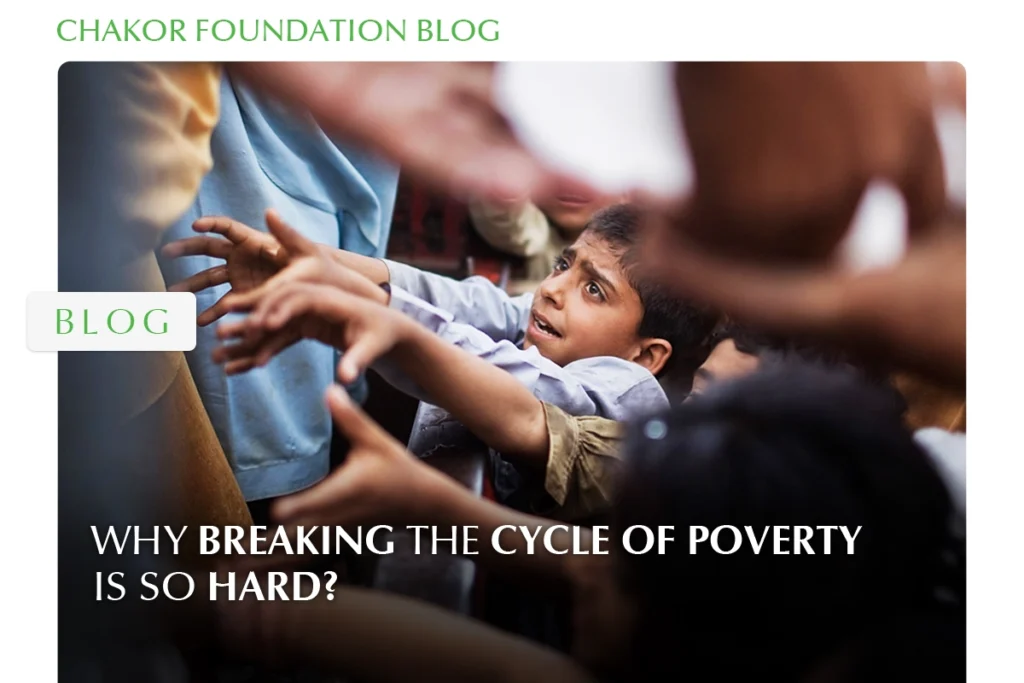
Poverty is a persistent challenge that millions of people face around the world. For some, poverty is a temporary situation, caused by a sudden crisis or a short-term lack of resources. But for many, poverty is a cycle—something that is passed down from generation to generation. Breaking the cycle of poverty is no easy feat. It requires understanding the deep-rooted barriers that keep people trapped in this cycle and addressing the multiple factors that contribute to it.
But while breaking the cycle of poverty may seem difficult, it is far from impossible. With the right support, communities can create opportunities for people to build better lives and escape the grip of poverty. Together, we can make a real, lasting impact. Let’s explore why breaking generational poverty is so hard, and what we can do to overcome these challenges.
The cycle of poverty is a term used to describe a situation where families remain in poverty for several generations. It isn’t just about financial hardship—it’s a deep and complex problem that affects many aspects of life, including education, health, employment, and emotional well-being. When one generation grows up in poverty, it is more likely that the next generation will face similar struggles. The cycle continues, and breaking it becomes more challenging with each passing generation.
Living in poverty affects every part of life. It limits access to quality education, restricts job opportunities, and often results in poor health and emotional challenges. These factors make it harder for people to rise above their circumstances and create better futures for themselves and their families. Generational poverty isn’t just a matter of money; it’s about the lack of opportunities, support, and resources to make lasting change.
Here are some of the reasons due to which breaking the cycle of poverty is so hard
Education is often considered the key to breaking the cycle of poverty. It’s a well-known fact that those who receive a good education are more likely to find stable, well-paying jobs. But for many families living in poverty, education is out of reach. Schools in low-income areas often struggle with limited resources, outdated textbooks, and insufficient funding. Teachers may not have the training or support they need to help students succeed. This creates an environment where children may not receive the education they deserve, making it harder for them to break free from poverty.
Children raised in poverty may also face additional barriers, such as a lack of parental support or guidance. If parents are working multiple jobs or struggling with their own challenges, they may not have the time or resources to help their children succeed academically. This can result in lower grades, higher dropout rates, and limited future opportunities.
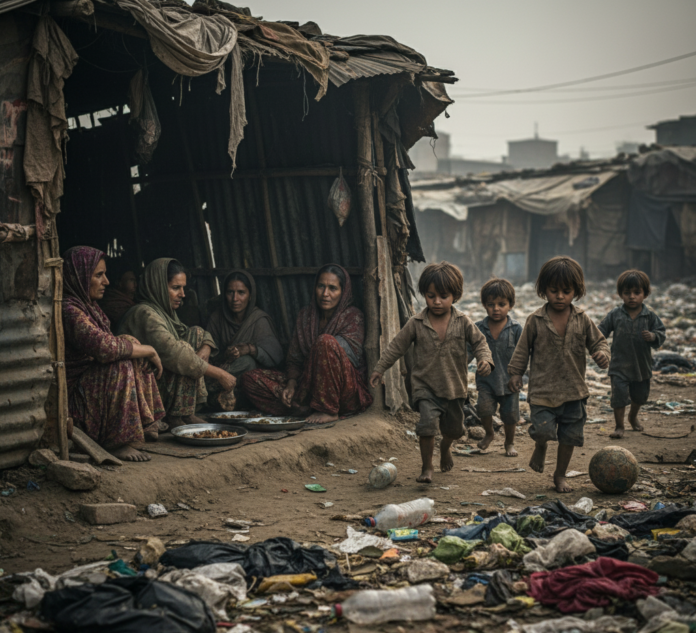
But education is still one of the most powerful tools in breaking the cycle of poverty. When individuals are given access to quality education, they have the chance to learn new skills, pursue higher-paying jobs, and ultimately create a better life for themselves and their families.
Breaking the poverty cycle starts with providing opportunities for education—whether through scholarships, vocational training, or other support systems. Therefore, poverty and education has a direct relation to each other.
Another significant barrier to breaking generational poverty is health. People living in poverty often experience poor health due to inadequate access to healthcare, nutrition, and living conditions. Poor health can prevent individuals from working, attending school, or taking care of their families, making it even harder to escape the cycle of poverty.
Chronic stress is another important factor. The financial strain of living in poverty, the worry about making ends meet, and the constant pressure to survive can lead to significant emotional and physical stress. This stress can affect mental health, leading to conditions such as depression and anxiety. Over time, these challenges can impair an individual’s ability to focus, make decisions, and maintain positive relationships.
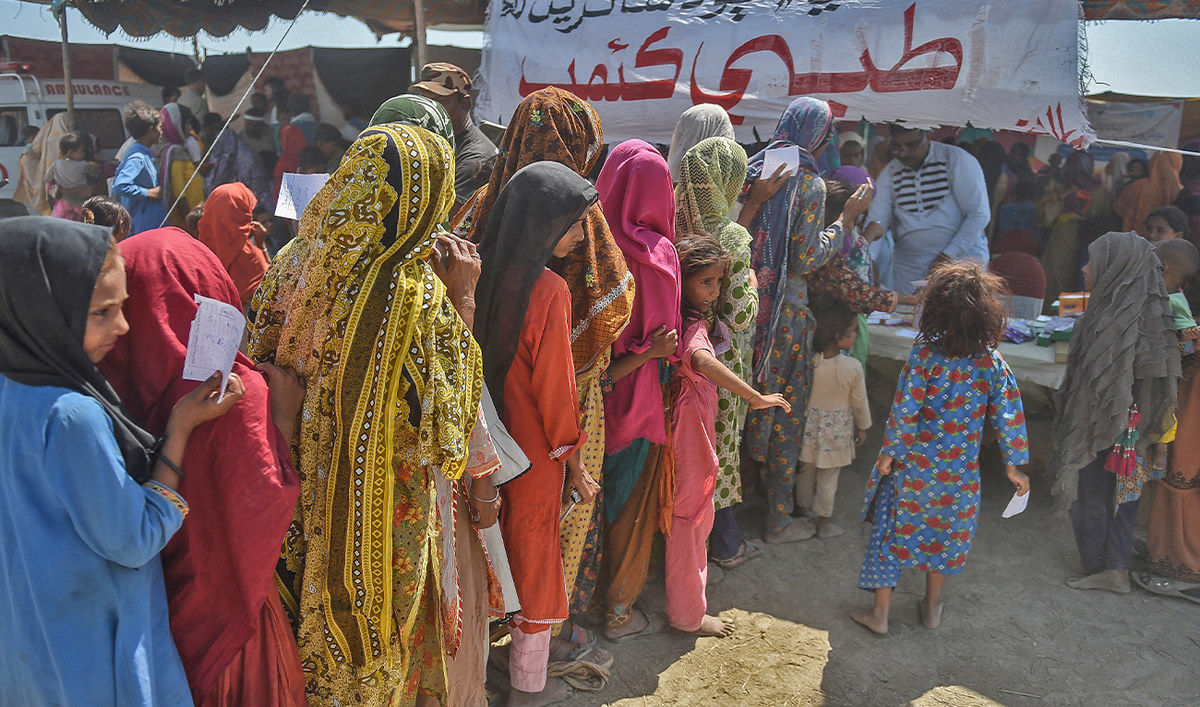
When people are struggling with their health—whether physically or emotionally—it can feel impossible to move forward. How to overcome generational poverty requires not only addressing the economic challenges but also providing support for health and well-being. Ensuring access to healthcare, mental health services, and proper nutrition can make a significant difference in people’s ability to break free from poverty.
A lack of stable, well-paying jobs is another major obstacle to breaking the cycle of poverty. In many impoverished areas, job opportunities are limited, and the jobs that are available often don’t pay enough to cover the basics, let alone build a better future. Even when individuals are able to find work, they may be stuck in low-wage positions with no opportunity for advancement. Without a steady income, it’s difficult to break free from poverty and build financial security.
Furthermore, for those in rural or economically depressed areas, the job market may be scarce. High unemployment rates and the migration of businesses to other areas can leave entire communities without job prospects. In some regions, high crime rates can also discourage businesses from opening, further limiting economic opportunities.
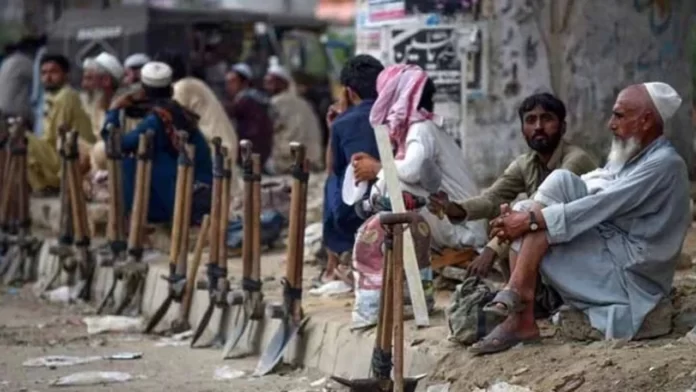
How can the cycle of poverty be broken when there are so few opportunities for employment? The answer lies in creating more job opportunities through workforce development programs, vocational training, and support for local businesses. By providing people with the skills and resources they need to find stable employment, we can help break the cycle of poverty and build stronger, more resilient communities.
The environment in which someone lives can also have a significant impact on their ability to break free from poverty. Many people in poverty live in neighborhoods with high crime rates, poor infrastructure, and limited access to essential services. In these environments, children may have limited opportunities for play, social interaction, or educational enrichment. Adults may struggle to find reliable transportation, quality healthcare, and affordable housing.
Living in a high-risk environment can create additional stress and anxiety, which can make it even harder to move forward. When people feel unsafe or unsupported, it’s difficult for them to focus on building a better future. Breaking generational poverty often requires improving the living conditions of the community as a whole. By investing in safer, more vibrant neighborhoods, we can create an environment where people have the opportunity to thrive.
Poverty doesn’t just affect the body and mind—it also affects the brain. Research shows that children raised in poverty often experience changes in brain development, particularly in areas that control memory, decision-making, and emotional regulation. Chronic stress, poor nutrition, and lack of stimulating experiences can hinder brain growth and make it harder for children to succeed in school and life.
One of the most profound effects of poverty is epigenetic changes. These are changes in gene expression that can be passed down from one generation to the next. Chronic stress can activate certain genes that make individuals more susceptible to mental health disorders like anxiety and depression. These changes can affect a person’s ability to cope with stress and make it even harder to break free from the cycle of poverty.
However, it’s important to note that these impacts are not permanent. With the right support—whether through education, healthcare, or emotional support—it is possible to overcome these challenges. How to break generational poverty involves addressing these biological and psychological impacts by providing individuals with the tools and resources they need to heal and grow.
While breaking the cycle of poverty is challenging, it is possible. There are steps we can take to help individuals and families build better futures.
Providing access to quality education is one of the most effective ways to break the cycle of poverty. Scholarships, vocational training programs, and adult education can help individuals gain the skills they need to secure well-paying jobs. By investing in education, we can help create a path out of poverty for the next generation.
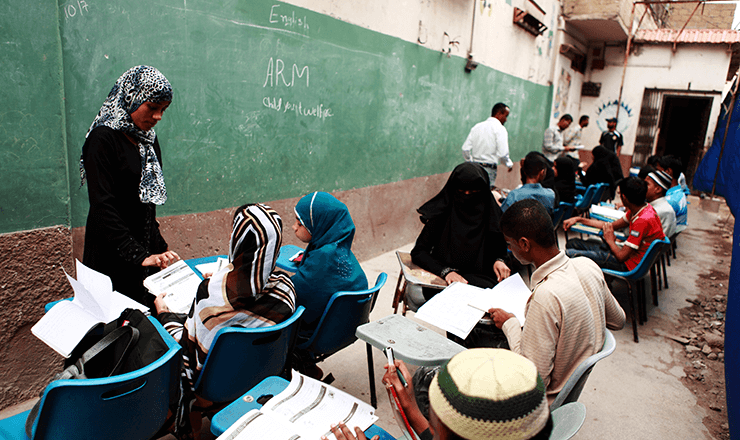
Health plays a crucial role in breaking the poverty cycle. Providing access to affordable healthcare, mental health support, and nutrition can improve overall well-being and help people focus on building better lives. Breaking the cycle of poverty requires taking care of both physical and emotional health to ensure that people can reach their full potential.
Creating opportunities for stable, well-paying jobs is essential for breaking the poverty cycle. Supporting job training programs, vocational education, and local businesses can help individuals find meaningful work that supports their families and lifts them out of poverty.
Improving the living conditions of communities is another important part of breaking the cycle of poverty. By investing in safer neighborhoods, better infrastructure, and social services, we can create environments where people have the support they need to succeed.
At Chakor Foundation, we understand that breaking generational poverty is a long-term process. That’s why we focus on providing educational scholarships to students in Pakistan, helping them build a brighter future. By offering financial support for education, we give young people the chance to break free from the cycle of poverty and build a better life for themselves and their families.
Donate to education today and help us continue our work in providing scholarships to deserving students. With your support, we can give these students the tools they need to succeed and empower them to create positive change in their communities. Education is the key to breaking the cycle of poverty, and together, we can make a lasting difference.
By supporting Chakor Foundation, you’re not just helping individuals escape poverty—you’re helping to create a brighter, more hopeful future for everyone. We can break the cycle of poverty, one student at a time.

Scan to Donate
Scan this QR code to support our mission.
Leave a Reply