- Payment Options
- Terms Conditions
- Malibu 453 blv
- info@charity.com




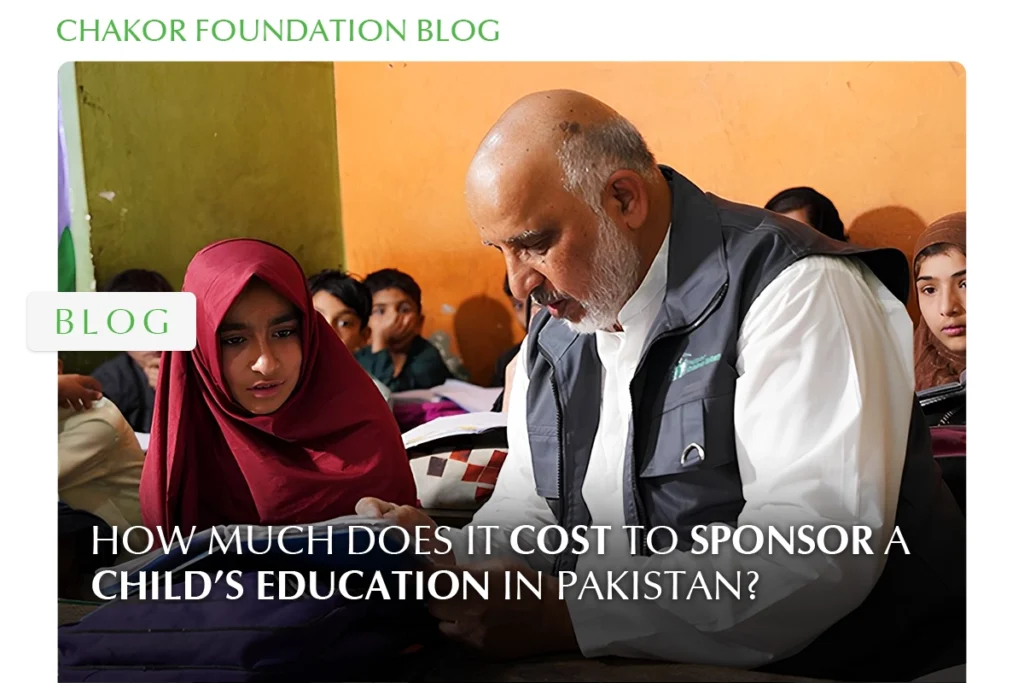
Understanding Poverty and Education, and How Sponsorship Helps Break the Cycle
Education has long been recognized as one of the strongest ways to fight poverty.
Yet in Pakistan, millions of children are still denied this basic right—not because they lack ability, but because poverty places education out of reach.
If you are asking, “How much does it cost to sponsor a child’s education in Pakistan?”, you are also asking how you can help change a child’s future, support low-income students, and contribute to breaking the cycle of poverty.
This blog is written to help you understand the real costs of education, why sponsorship matters, and how thoughtful support—like that provided through Chakor Foundation—creates lasting impact.
Poverty and education are deeply connected. When families struggle to meet daily needs, education is often the first sacrifice.
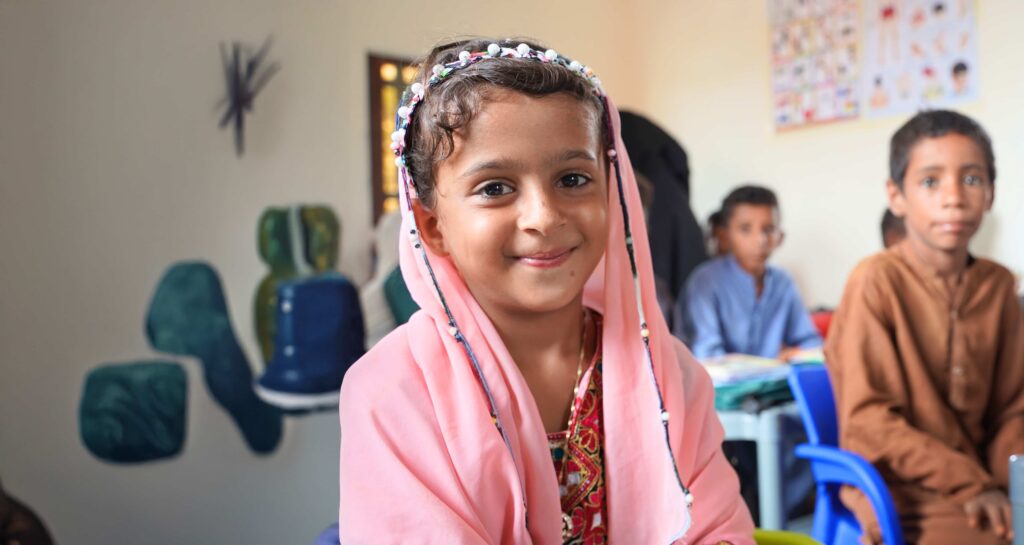
In Pakistan:
Around 25 million children aged 5–16 are out of school
Nearly 1 in 3 children does not receive formal education
The national literacy rate remains close to 62%
Only about 1.96 million students are enrolled in universities in a population of over 240 million
These numbers highlight a reality many families live every day. Children want to learn, but poverty limits access to schools, books, uniforms, and transport. Without intervention, this lack of education continues across generations—making breaking the cycle of poverty incredibly difficult.
This is where education sponsorship becomes a powerful solution.
The importance of school education goes far beyond classrooms and exams. School education helps children:
Build basic literacy and numeracy skills
Develop confidence and self-worth
Gain opportunities for stable employment later in life
Make informed decisions about health, family, and finances
When children complete school, they are more likely to support their families and ensure their own children receive education. This is how education becomes a long-term solution—not just a short-term fix.
Supporting school education is one of the most effective ways to help low-income students succeed and reduce poverty sustainably.
Many people assume education sponsorship only covers school fees. In reality, several essential costs determine whether a child can stay in school.
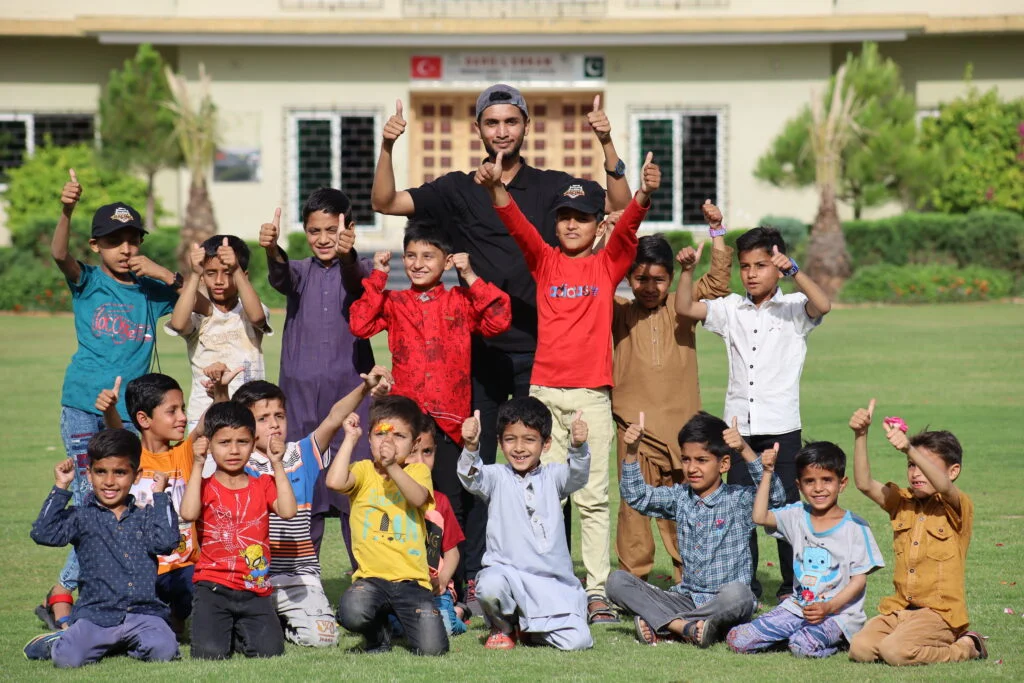
Here’s a clear breakdown.
Even low-cost schools involve expenses:
Admission fees
Monthly tuition
Board and exam fees
For secondary and intermediate (FSC) students, these costs increase significantly.
Estimated annual cost: PKR 10,000 to PKR 60,000
(depending on grade level and school type)
Without textbooks, notebooks, and stationery, learning becomes nearly impossible.
Estimated annual cost: PKR 5,000 to PKR 20,000
For families living hand-to-mouth, these costs alone can cause children to drop out.
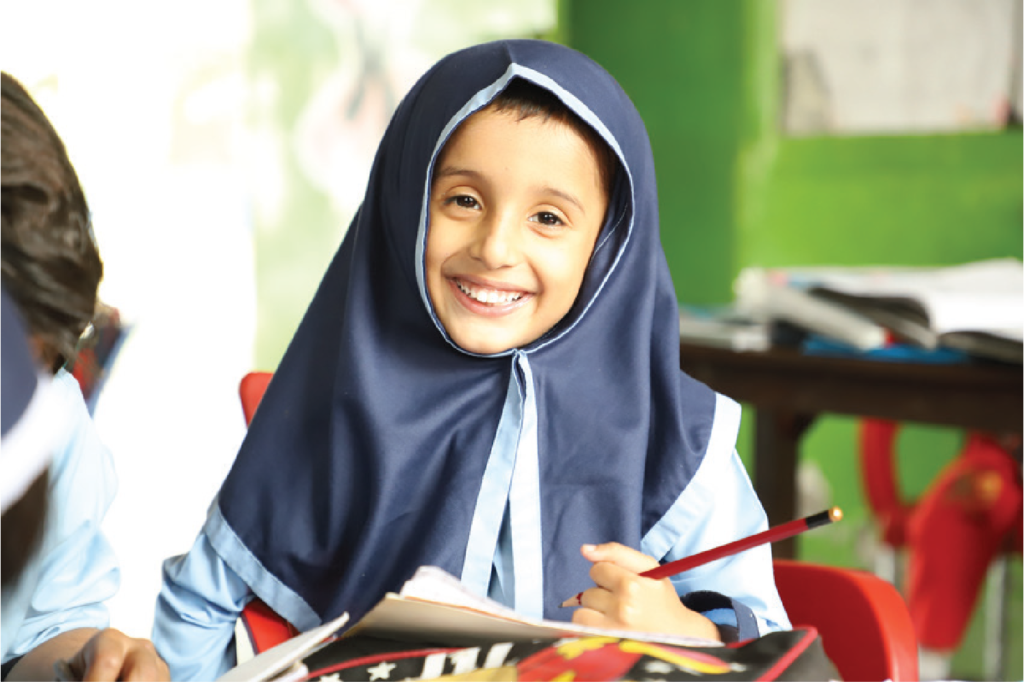
In many rural areas of Pakistan, students attend school wearing worn or patched clothing. This affects:
Confidence
Attendance
Sense of belonging
A proper uniform restores dignity and encourages children to remain in school.
Programs like Chakor Foundation’s Uniform Distribution Drive estimate the cost at around $5 per uniform, showing how small contributions can create meaningful impact.
Distance is a major barrier to education, especially in rural communities.
Estimated annual cost: PKR 6,000 to PKR 36,000
Without transport support, many students—especially girls—are forced to leave school.
These include:
Registration fees
Practical exam charges
School activities
Estimated annual cost: PKR 3,000 to PKR 15,000
Every child’s situation is unique, but the following examples offer realistic guidance.
Includes books, stationery, uniform, and basic school costs.
Estimated total: PKR 10,000 to PKR 25,000 per year
This level of support helps children stay enrolled and attend school consistently.
Includes education materials, uniform, exams, and transportation.
Estimated total: PKR 20,000 to PKR 60,000 per year
This stage is critical for helping low-income students succeed, as dropout rates increase sharply during adolescence.
This is often where financial pressure is highest and dropout risk is greatest.
Estimated total: PKR 40,000 to PKR 120,000 per year
Supporting students at this level plays a key role in breaking the cycle of poverty, as it opens doors to higher education and skilled employment.
For donors seeking clarity and trust, Chakor Foundation offers a clear, structured approach.
Chakor Foundation’s donate to education scholarship program for students covers
Cost: $500 per FSC student annually
Annual goal: $20,000
Students supported: 40
Coverage: Tuition assistance, educational materials, and mentorship
This model allows supporters to clearly understand:
Where funds go
Who benefits
How education outcomes are supported
Cost: $5 per uniform
Goal: 25,000 uniforms annually
This uniform donation program directly supports the importance of school education by ensuring children attend school with confidence and dignity.
Education sponsorship creates impact that extends far beyond one school year.
It supports:
When costs are covered, children miss fewer classes and stay enrolled longer.
Proper supplies and uniforms help children feel valued and capable.
Education improves employment prospects, health outcomes, and family well-being.
Educated individuals are more likely to educate their own children—key to breaking the cycle of poverty.
This is how poverty and education intersect—and how education becomes the solution.
You may notice different sponsorship amounts across organizations. This usually depends on:
Rural vs. urban location
Student grade level
What expenses are included
Duration of support
Added services like mentorship or progress tracking
A trustworthy program will always be transparent about costs and impact.
Before sponsoring, consider asking:
What exactly does my contribution cover?
How are students selected and verified?
Will I receive updates or reports?
Is financial transparency provided?
These questions help ensure your support is used responsibly and respectfully.
Poverty and education challenges in Pakistan are serious—but they are not hopeless.
When a relatively modest amount can keep a child in school, restore dignity, and open future opportunities, education sponsorship becomes one of the most meaningful ways to help.
By supporting initiatives like Chakor Foundation, you are:
Supporting the importance of school education
Helping low-income students succeed
Actively contributing to breaking the cycle of poverty
Education is not charity alone—it is an investment in human potential.
Together, one child at a time, it changes lives.

Scan to Donate
Scan this QR code to support our mission.
Leave a Reply