- Payment Options
- Terms Conditions
- Malibu 453 blv
- info@charity.com




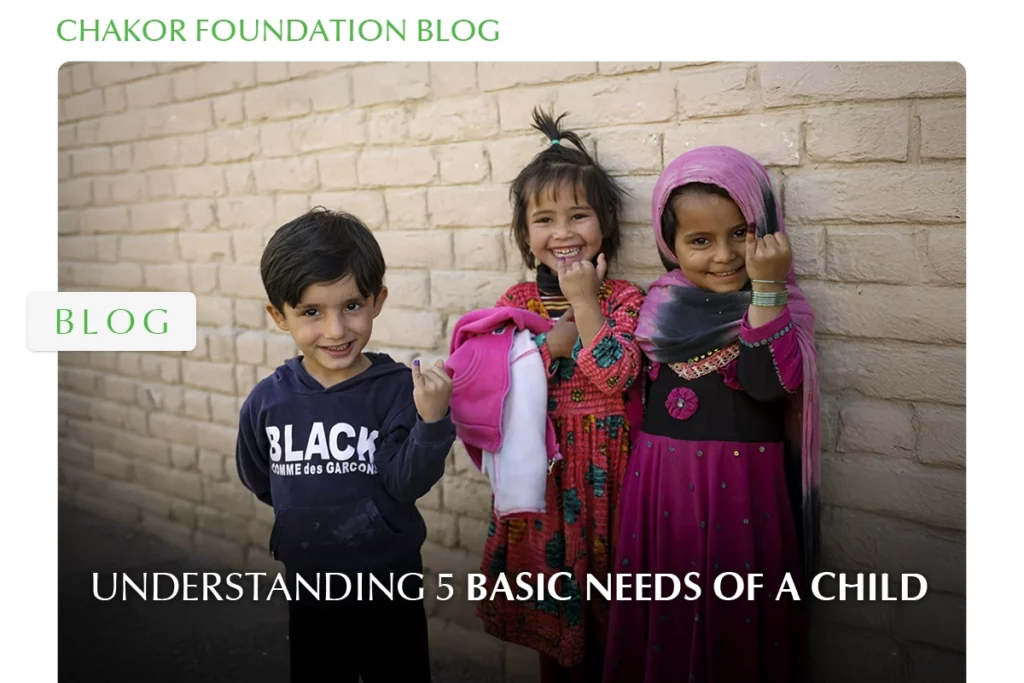
Parenting and child development are often treated like complicated puzzles. New trends appear every year—gentle parenting, conscious parenting, peaceful parenting—each offering a different “best way.” But beneath all approaches, the truth remains simple: when the basic needs of a child are met, children thrive.
Children grow into healthy, confident, responsible adults when they have stability, emotional support, guidance, learning opportunities, and meaningful connection. These are not luxuries. They are essentials.
And yet, for millions of children in Pakistan, these basic needs remain unmet due to poverty, limited services, inequality, and instability. UNICEF notes that about 3.3 million children are trapped in child labour and that only 34% of children under five are registered at birth—a major barrier to protection and access to services.
That’s why Chakor Foundation exists: to help fulfill children’s basic needs through education, better health outcomes, and building innovation abilities through learning—so every child has a real chance to succeed.
Different experts list needs in different ways, but the most evidence-based frameworks consistently return to the same foundation: love + limits, supported by stability, learning, and connection.
Here are the 5 basic needs of a child that shape emotional strength, confidence, brain development, and future success:
The first and most important basic need is love—not just in intention, but in how a child experiences it.
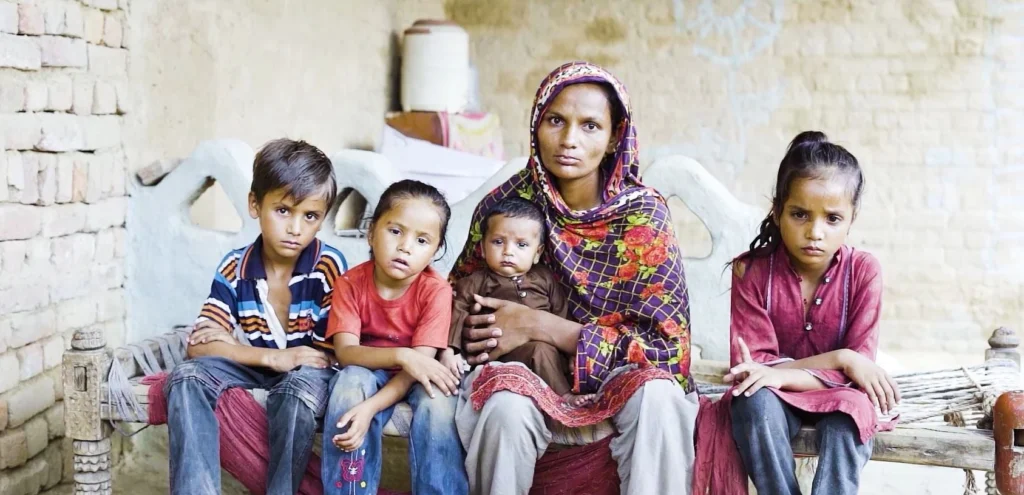
Children need to feel:
safe to express emotions,
validated and listened to,
accepted even when they make mistakes.
When kids learn that feelings are normal and safe to talk about, they build resilience and emotional intelligence—skills that protect mental health later in life.
In high-stress environments, children often receive care through survival support (food, shelter) but not always through emotional validation. Over time, emotional neglect can look like behavioral issues—because children usually communicate unmet needs through actions, not words.
Children do best when adults provide predictable limits with warmth.
Boundaries help children feel secure because they know:
what is expected,
what happens when rules are broken,
and that adults are in control in a safe way.
Without boundaries, children feel uncertain. With harsh boundaries without love, children may obey out of fear, not understanding.
The best approach is balance: warmth + consistency.
Where Pakistan struggles: Unstable home conditions, financial stress, and unsafe environments often make consistent routines difficult for families. UNICEF also highlights that Pakistan still lacks a fully coordinated child protection case management system aligned with international standards.
Children need stability to grow. When a child’s daily life is unpredictable, their mind stays focused on coping—not learning.
A major part of stability is legal identity and protection. UNICEF reports only 34% of children under five are registered at birth in Pakistan, which can limit access to services and protection.
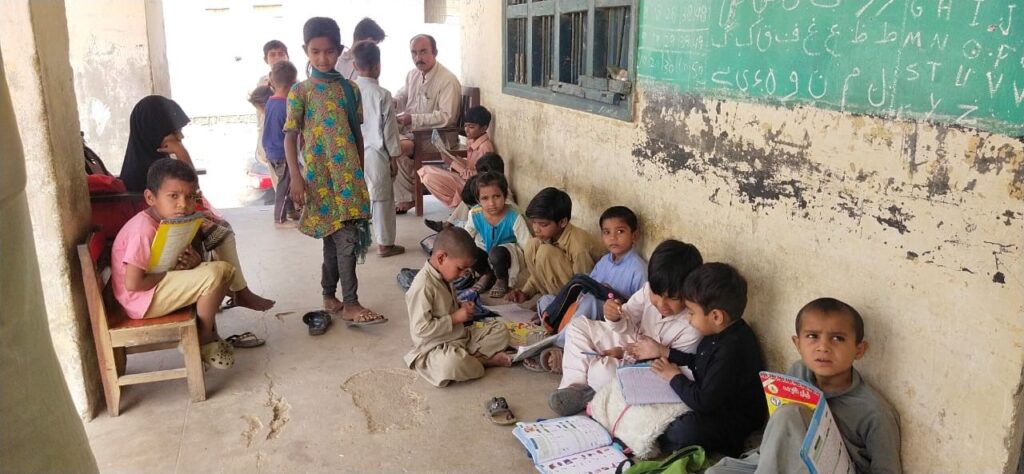
And for many children, safety itself is not guaranteed:
UNICEF reports 3.3 million children in child labour, which harms education, health, and childhood.
NCRC’s policy material explains that child labour includes work that is mentally/physically/morally dangerous and interferes with schooling or forces dropout.
What Chakor Foundation does: We focus on stabilizing children’s lives through schooling support and learning continuity—because education is one of the strongest protective factors a child can have.
One of the most practical and powerful basic needs is education—because it directly shapes a child’s confidence, future income, health decisions, and identity.
But Pakistan faces a severe education crisis:
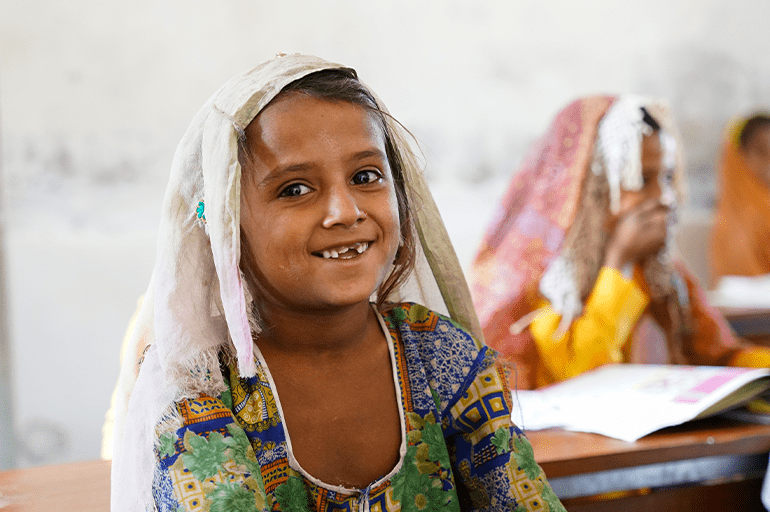
UNICEF reports 25.1 million children aged 5–16 are out of school, about 35% of that age group.
Another widely cited national estimate (based on PSLM 2018–19 analysis) reports 22.8 million children (ages 5–16) not attending school, representing 44% of the age group.
This isn’t just a statistic. It means millions of children miss:
consistent routines,
skill-building,
positive peer relationships,
and the chance to discover strengths and talents.
When children are denied learning, they are also denied curiosity and creativity. Real learning is not only memorizing answers; it is problem-solving, exploration, and innovation—the very abilities children need to shape a better future.
What Chakor Foundation does: We are on a mission to fulfill the basic needs of children by providing opportunities to learn, supporting education access, and nurturing innovation abilities through education. This is why we encourage supporters to donate to educate—because one donation can help restore a child’s learning path.
Children need connection to thrive. This includes:
caregiver attention,
supportive teacher relationships,
safe friendships,
and community belonging.
One of the most impactful parenting tools is meaningful time—even 10 minutes of focused attention daily can build emotional security. Children are strengthened when adults notice effort, praise good choices, and show authentic interest.
But connection can be disrupted by:
economic stress,
parental absence due to work,
unsafe communities,
and trauma exposure.
This is why schools, mentors, and child-focused organizations matter. They help fill gaps where families are overwhelmed.
What Chakor Foundation does: We create supportive spaces where children feel seen and valued, not invisible. Connection is built through consistent engagement, mentorship, and encouragement.
When these needs go unmet, children face increased risks—physically, emotionally, and socially. Pakistan’s data shows major gaps across protection, education, health, and safety.
Media reporting based on Sahil’s monitoring shows serious child protection risks. For example, Dawn reported 1,630 child abuse cases in the first half of 2024 (including child sexual abuse, abduction, missing children, and child marriage cases).
Dawn also reported that Sahil’s data recorded 4,213 child abuse cases in 2023 across provinces and regions.
UNICEF’s child poverty analysis finds that about half of children suffer at least one severe deprivation across dimensions such as education, health, housing, nutrition, sanitation, and water.
Pakistan’s National Nutrition Survey (2018) key findings report stunting at 40.2% nationally.
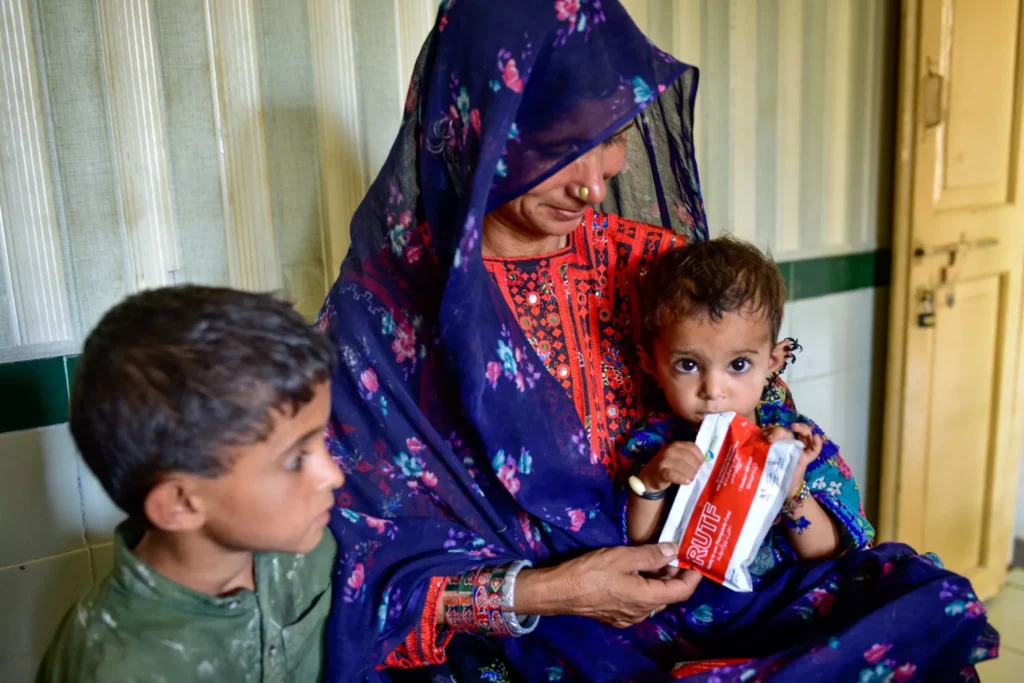
Climate disasters and displacement worsen children’s nutrition and stability. A report highlighted that Pakistan has 12.9 million under-5 children facing food poverty, and Sindh shows alarming levels of acute malnutrition.
These realities show why meeting children’s basic needs in Pakistan requires not only parenting effort, but community action and strong child-focused systems.
Chakor Foundation is committed to meeting children’s needs through:
Education access and support
Health and well-being awareness
Learning environments that build curiosity and innovation
Protective opportunities that reduce vulnerability
When you support a child’s education, you are supporting multiple needs at once:
structure,
stability,
confidence,
connection,
and future opportunity.
That is why we invite individuals and communities to donate to educate—so children can move from survival into growth.
If you believe every child deserves love, safety, education, and a future—join Chakor Foundation’s mission.
Donate to educate and help a child access learning, health support, and the chance to develop innovation skills through education.
UNICEF Pakistan – Child Protection (child labour estimate; birth registration).
UNICEF Pakistan – Education (out-of-school children estimate 25.1m; provincial rates).
Pakistan Institute of Development Economics (PIDE) – “22.8m children aged 5–16 not attending school… representing 44%”.
UNICEF Pakistan – Pakistan Child Poverty National and Subnational Trends (Technical report) (severe deprivation).
UNICEF Pakistan – National Nutrition Survey 2018: Key Findings (stunting 40.2%).
NCRC – Policy brief on employment of children (definition/harms of child labour, schooling interference).
Dawn (Aug 9, 2024) – Sahil six-month data: 1,630 child abuse cases reported.
Dawn (Mar 1, 2024) – Sahil “Cruel Numbers 2023”: 4,213 child abuse cases reported in 2023.

Scan to Donate
Scan this QR code to support our mission.
Leave a Reply