



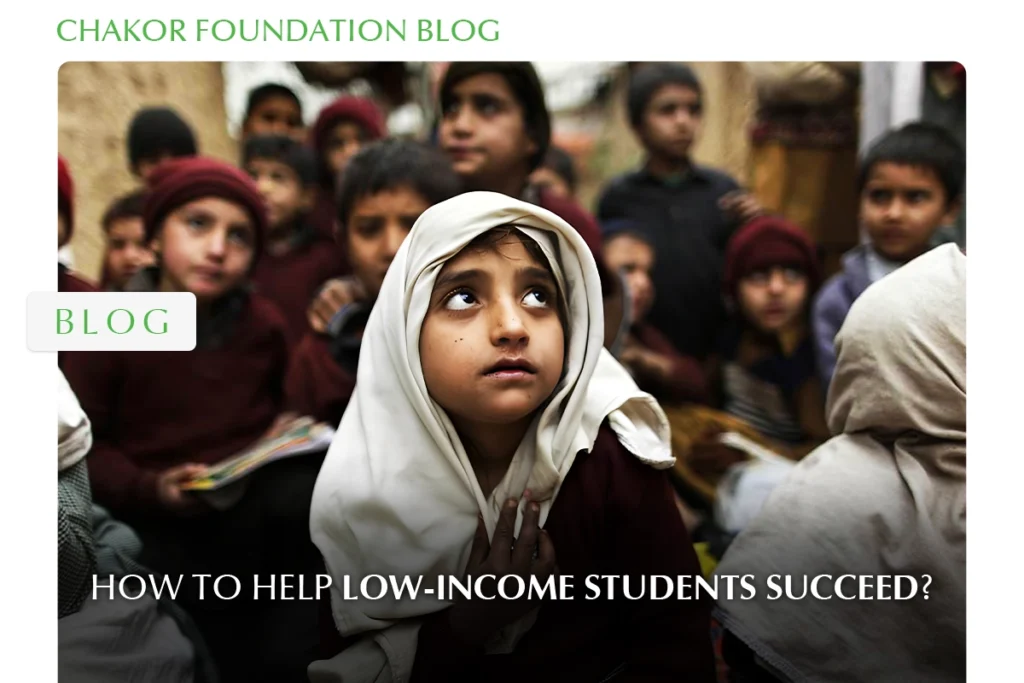
Every child carries potential within them. Curiosity. Talent. Dreams.
Yet for millions of low-income students, that potential is often limited—not by ability, but by circumstance.
When students struggle in school, it’s easy for society to place blame on motivation or effort. But research and real-life experience show a different story. Poverty shapes a child’s environment in powerful ways, affecting learning, confidence, health, and emotional well-being. Understanding this truth is the first step in learning how to help low-income students succeed—with compassion, dignity, and lasting impact.
At Chakor Foundation, we believe education is one of the most effective ways to break cycles of hardship and open doors to brighter futures. This article explores the challenges low-income students face, what truly helps them thrive, and how collective support can make meaningful change.
Understanding the Challenges Low-Income Students Face
Low-income students often work harder than we realize just to show up to school each day. Their challenges extend far beyond the classroom.
1. The Impact of Poverty on Learning
Children growing up in poverty are more likely to experience chronic stress. Research shows that ongoing stress can affect brain development, especially areas responsible for focus, memory, planning, and emotional regulation. This poverty and education relationship can make learning feel overwhelming, even for bright and motivated students.
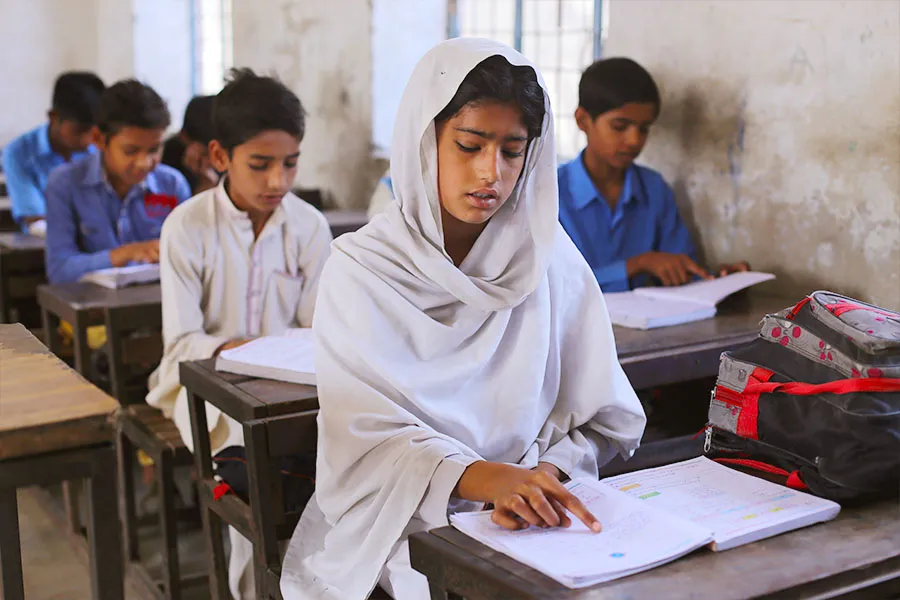
It’s important to understand: when a student struggles, it is often a response to their environment—not a lack of effort or intelligence.
2. Lack of Basic Needs
Many low-income students face daily uncertainty around food, clothing, transportation, and healthcare. A child who comes to school hungry, worried about family finances, or without proper school supplies will naturally find it harder to concentrate.
In rural areas of Pakistan, for example, students often attend school without proper uniforms. This can affect their confidence, sense of belonging, and willingness to participate in class. Small needs, when unmet, can create big barriers.
3. Limited Support Systems
Students from low-income households may lack access to mentors, academic guidance, or role models who have navigated higher education. Without someone to help them understand exams, applications, or career paths, even capable students can feel lost and discouraged.
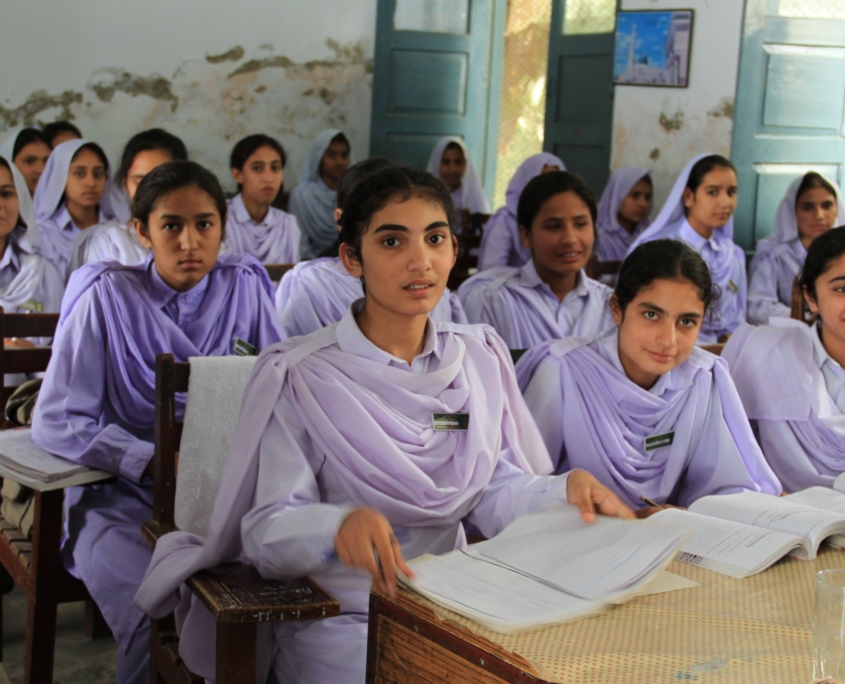
Why Education Is Key to Breaking the Cycle of Poverty
Education is more than academic achievement—it is a pathway to independence, stability, and hope.
When low-income students succeed in school, the impact reaches far beyond one individual.

Higher earning potential leads to financial stability.
Better health outcomes support longer, healthier lives.
Increased confidence and agency empower students to make informed choices.
Intergenerational change occurs when educated individuals prioritize education for their own children.
This is how education helps break the cycle of poverty—not overnight, but step by step.
How to Help Low-Income Students Succeed: What Truly Works
Supporting low-income students requires care, patience, and a holistic approach. Here are proven, compassionate ways to help students not only stay in school—but thrive.
1. Create Safe, Supportive Learning Environments
Students learn best when they feel safe, respected, and valued.
Research highlighted in Helping Children Succeed by Paul Tough shows that nurturing, predictable environments improve learning outcomes far more than punishment-based systems. When schools focus on encouragement instead of fear, students are more likely to engage and persist.
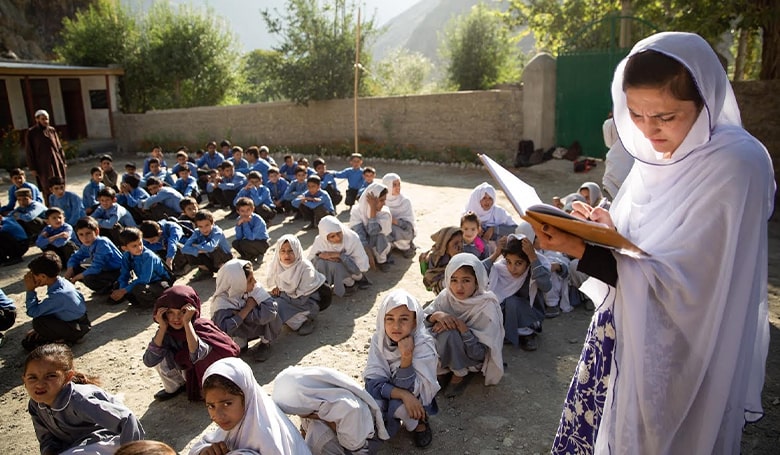
Supportive environments include:
Teachers who set high expectations with kindness
Classrooms where mistakes are treated as learning opportunities
Recognition of effort, not just results
For low-income students, feeling believed in can be life-changing.
2. Meet Basic Needs With Dignity
Helping students succeed starts with meeting their basic needs—quietly and respectfully.
This includes:
Access to nutritious meals
School supplies and textbooks
Transportation support
Proper school uniforms
At Chakor Foundation, our Uniform Distribution Drive: Threads of Hope addresses a simple but powerful need. A proper uniform restores dignity, boosts confidence, and helps students feel like they belong. When children feel comfortable and respected, they are more likely to stay in school and participate fully.
3. Provide Financial Support Through Scholarships
For many low-income students, financial barriers are the main reason they drop out.
Scholarships remove the constant fear of fees, books, and transport costs. They allow students to focus on learning instead of survival.
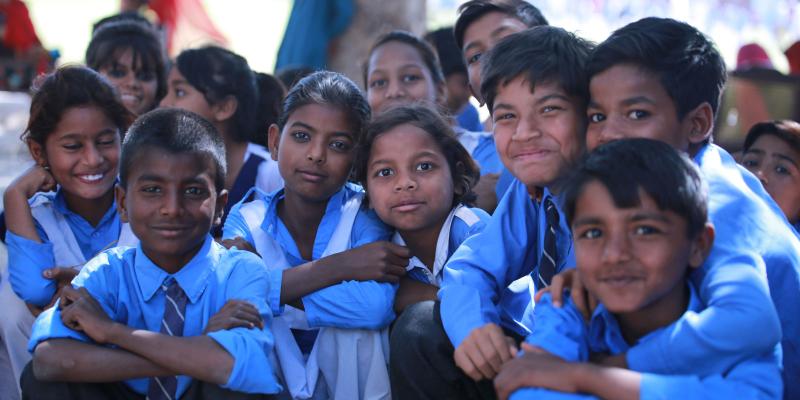
The Chakor Foundation Donate To Education Scholarship Program provides:
Tuition support
Books Uniforms and educational materials
Transportation assistance
Mentorship and guidance
With a goal of supporting 40 students annually, the program ensures that talented students are not forced to abandon their education due to lack of resources.
This kind of support doesn’t create dependency—it creates opportunity.
4. Offer Mentorship and Emotional Encouragement
Low-income students often carry invisible burdens. Encouragement and mentorship can make a powerful difference.
Mentors help students:
Believe in their abilities
Navigate academic challenges
Set realistic goals
Imagine futures they may never have seen before
Sometimes, one caring adult who listens and encourages is enough to change a student’s path.
At Chakor Foundation, mentorship is an essential part of our scholarship program. We walk alongside students—not just financially, but emotionally—because success is about more than grades.
5. Strengthen Family and Community Support
Students do better when families and communities are involved.
Many parents of low-income students deeply value education but face pressures like long work hours, financial stress, or limited schooling themselves. Programs that engage families with respect—rather than judgment—help create stronger support systems for children.
Community involvement also matters. When education is valued collectively, students feel encouraged to persist even during difficult times.
6. Build Confidence and Belonging
Confidence grows when students feel seen and included.
Simple actions—like providing uniforms, recognizing effort, or offering leadership opportunities—help students feel that they matter. Belonging is not a luxury; it is a foundation for learning.
When low-income students believe they belong in school, they are more likely to:
Attend regularly
Participate actively
Take academic risks
Dream bigger
Real Impact: How Support Changes Lives
At Chakor Foundation, we see the impact of education every day.
Students who once faced the risk of dropping out are now:
Continuing their studies with confidence
Supporting their families with pride
Becoming role models in their communities
A scholarship doesn’t just fund education.
A uniform doesn’t just clothe a child.
Together, these acts of support restore hope and open doors that once felt closed.
Why Your Support Matters
Helping low-income students succeed is not about charity—it’s about partnership.
When you support education through Chakor Foundation, you are:
Investing in human potential
Supporting long-term change
Strengthening communities
Helping break cycles of poverty with dignity
Transparency matters to us. Donors receive regular updates and can see how their support is making a real difference in students’ lives.
Every contribution—large or small—helps create opportunity.
A Shared Responsibility, A Brighter Future
Learning how to help low-income students succeed means shifting our perspective. It means looking beyond labels and seeing the whole child. It means addressing environments, not blaming individuals. And it means believing—truly—that with the right support, every student can thrive.
At Chakor Foundation, we are committed to walking this path with students, families, and supporters as we understand the importance of education.
Together, we can create classrooms filled with confidence.
Together, we can turn barriers into bridges.
Together, we can help students not just survive—but succeed.
Join us. Support education. Help build brighter futures—one student at a time.

Leave a Reply